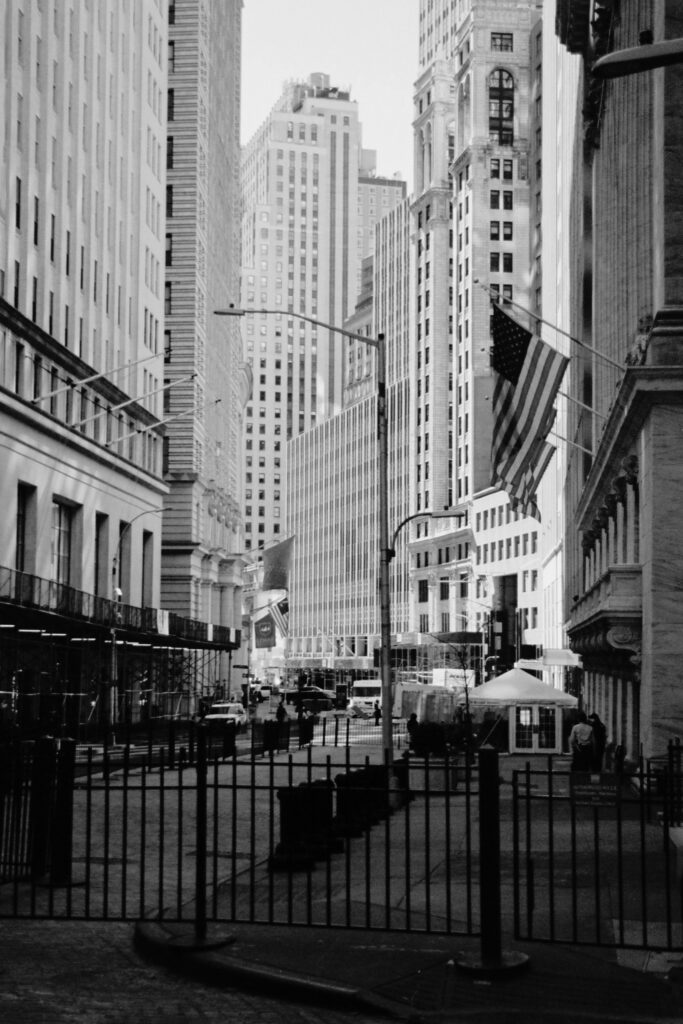
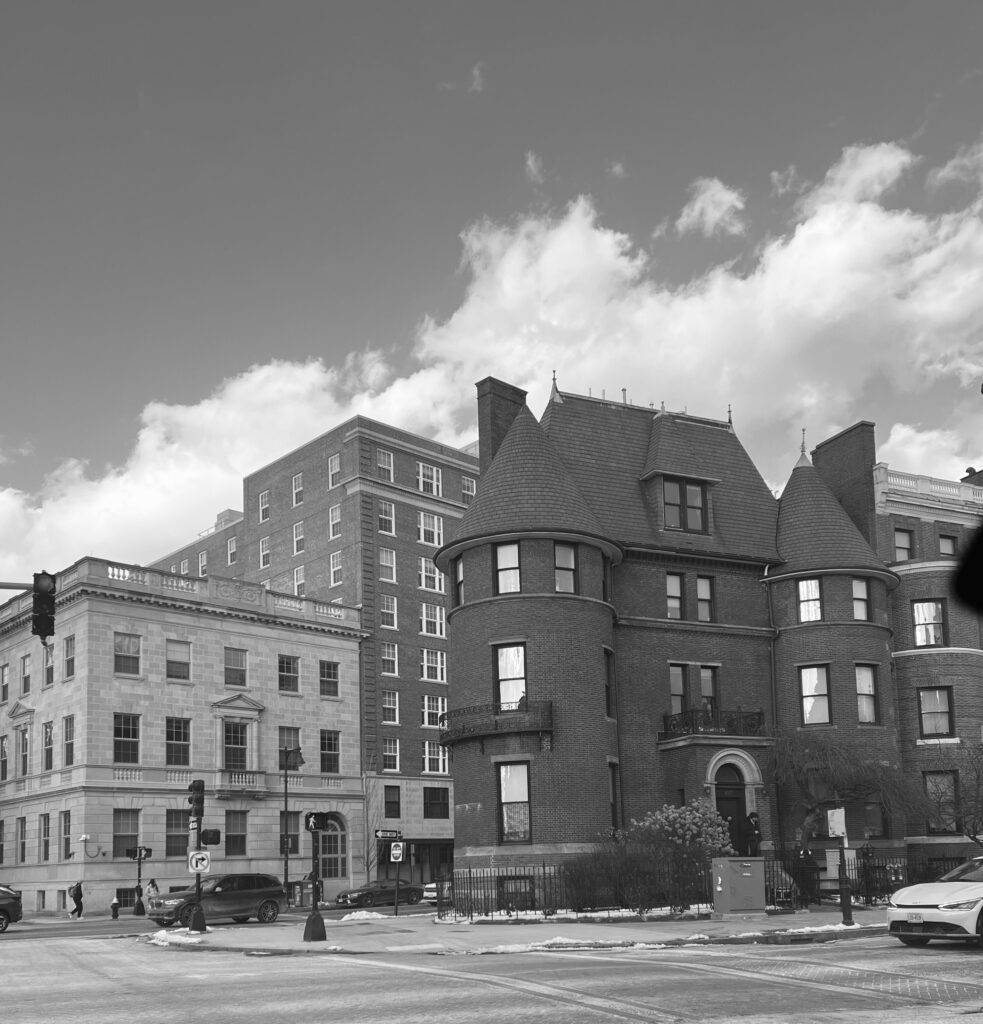
New York City commercial real estate continues to operate in an environment shaped by changing financing conditions, operating costs, regulatory requirements, and evolving market expectations. For property owners and investors, understanding these factors is an important part of evaluating and managing commercial real estate risk.
In this video, The North Star Universal, LLC examines key considerations affecting NYC commercial real estate and the importance of approaching changing market conditions through a risk-management perspective. The discussion highlights how financing, market analysis, regulatory developments, and long-term planning can influence real estate ownership and investment decisions.
Watch the video below for The North Star Universal, LLC’s perspective on navigating commercial real estate risk in New York City.
Watch: Navigating NYC Commercial Real Estate Risk in 2025
Video Overview
This video addresses several considerations relevant to commercial real estate owners and investors, including:
Changing NYC commercial real estate market conditions
Visit the The North Star Universal, LLC Video Library for additional videos addressing commercial real estate risk, financing, market conditions, regulatory developments, and strategic considerations affecting property owners and investors.
In this article, we analyze current data on refinancing pressures, how they influence operational risk, and what investors and managers can do to mitigate risk while positioning for long-term growth.
Why Refinancing Risk Matters in NYC Commercial Property
Refinancing risk arises when a property’s existing debt matures and the owner must secure new financing at current market rates. Rising interest rates and tightened credit conditions have made this challenge acute in 2026.
In the NYC office sector, lenders and analysts now highlight a heavy concentration of commercial mortgage debt maturing in the next 12–18 months. Many of these loans will come due when underwriting standards remain tight and debt is more expensive than when the original financing occurred. This amplifies risk for property owners and lenders alike. (Seeking Alpha)
At The North Star Universal, LLC, we view refinancing risk not as a future problem but as a present one. It affects real-time NOI performance, debt service coverage ratios (DSCR), and exit strategies across asset classes.
Current Market Signals: Refinancing Risk is Real and Rising
Recent data highlights how refinancing risk is shaping market dynamics:
1. Office Sector Pressure Borrowers across major NYC office properties face refinancing challenges. Analysts note a heightened risk of default when loans reset during periods of high rates and uneven occupancy levels. (Seeking Alpha)
2. More Debt Maturing A significant portion of outstanding commercial loans—especially CMBS and bank financings—is scheduled to mature soon. Owners in these segments are increasingly evaluating refinancing alternatives to avoid liquidity stress. (Seeking Alpha)
3. Cap Rate Divergence Signals Capital Caution Across the broader market, cap rates vary considerably by property type, signaling lenders are demanding more risk premium for assets with weaker cash flow resilience. (CRE Daily)
These indicators remind us that traditional underwriting models tied to past market norms are no longer reliable. Savvy risk mitigation now requires forward-looking analysis.
These indicators remind us that traditional underwriting models tied to past market norms are no longer reliable. Savvy risk mitigation now requires forward-looking analysis.
Case Study: A Midtown Office Loan Reset
In a recent engagement, one of our NYC office clients faced a $150M loan reset tied to a Class A tower in Midtown. Leasing momentum had slowed, and the property’s DSCR was below target.
Rather than pursuing a high-cost refinancing with steep amortization, we recommended a blended strategy:
Negotiating short-term interest-only debt to bridge until market conditions improve.
Enhancing lease rollover protections to increase projected NOI.
Aligning capex investments with tenant demand for flexible spaces.
This hybrid approach turned what could have been a liquidity crisis into a manageable transition. By prioritizing commercial property risk mitigation and NOI resilience over aggressive leverage, the asset maintained valuation and lender confidence.
Case Example: Industrial Asset With Strong Fundamentals
Not all sectors face the same refinancing pressure. Our analysis of a recent industrial acquisition showed why select asset types weather refinancing risk better.
Industrial sales activity has remained robust, and cap rate compression in quality assets indicates investor conviction. Despite market disruptions, the industrial sector’s spread between yield and benchmark rates suggests enduring demand for logistics infrastructure. (CRE Daily)
For this client, strong cash flow, favorable cap rates, and a diversified tenant base translated to:
High DSCR ratios before refinancing
Greater negotiating power with lenders
Attractive long-term financing options
This illustrates how investment property strategy must be asset-specific and data-driven.
This illustrates how investment property strategy must be asset-specific and data-driven.
Managing Operational Risk and Future Uncertainty
So what can commercial property stakeholders do to manage refinancing risk effectively?
1. Stress Test Cash Flow Scenarios
Risk models should account for rising interest rates, potential vacancy fluctuation, and leasing delays. Running stress tests helps owners understand worst-case outcomes and plan proactively.
2. Strengthen Lease Management
Maintaining high occupancy and stable rental income supports DSCR. NYC lease management strategies such as staggered rollover schedules and tenant incentives can stabilize cash flow.
3. Diversify Financing Channels
Consider a mix of fixed-rate debt, private credit, and alternative financing structures. Diversification spreads risk across capital sources and can lower refinance cost.
4. Link CapEx to Value Creation
Prioritize capex that improves tenant retention and property appeal. Upgrading common areas or adding flexible workspaces can augment NOI and appeal to lenders.
The Bigger Strategic Picture
Refinancing risk is not isolated to a single property type. It reverberates through all aspects of commercial real estate investment property strategy. In NYC, where market fundamentals are shifting beneath investors’ feet, risk management must be dynamic and data-centric.
We observe vacancy levels trending down in some submarkets, signaling that leasing demand is stabilizing, even as capital markets adjust. (LinkedIn)
Like a ship navigating shifting tides, a well-prepared portfolio can leverage strong fundamentals while avoiding the shoals of too much debt at the wrong time.
Looking Ahead With Confidence
At The North Star Universal, LLC, we remain optimistic about the resilience of NYC commercial real estate. While refinancing risk demands attention, it also creates opportunities for those who:
Markets evolve. Risk becomes opportunity when it is understood and managed.
We welcome your thoughts on refinancing risk and commercial property strategy. Share or follow for more insights.
The North Star Universal, LLC is a risk management and advisory firm. Follow this blog for more insights into the evolving world of NYC realty and beyond @ thenorthstaruniversal.com/WP.
At The North Star Universal, LLC, we have spent the past week closely tracking one issue that continues to surface in nearly every NYC commercial real estate conversation: refinancing risk under sustained higher interest rates. What makes this moment different is not simply where rates sit, but how quickly lender behavior, underwriting standards, and asset valuations are adjusting in real time.
For owners who financed aggressively between 2019 and 2022, the next 12–24 months will define portfolio outcomes. Refinancing is no longer a mechanical exercise. It is now a strategic stress test.
Why Refinancing Risk Is the Defining Issue Right Now
Recent market data from early January 2026 shows NYC commercial mortgage rates holding materially above their five-year averages, while spreads remain wide for secondary and transitional assets. At the same time, citywide office vacancy has edged up again this week, and select retail corridors are seeing slower absorption despite stable foot traffic.
This combination matters. Higher debt costs and uneven demand place immediate pressure on debt service coverage ratio (DSCR), especially for assets with near-term loan maturities. Even properties with stable tenants can face refinancing gaps if underwriting assumptions no longer align with lender models.
At The North Star Universal, LLC, we see refinancing risk as an operational issue first, not a capital markets problem alone.
How Lenders Are Rewriting the Rules
Change block type or style
Move Cover block from position 4 up to position 3
Move Cover block from position 4 down to position 5
Change alignmentReplace
1. DSCR Is Now the Primary Gatekeeper
Many lenders are underwriting to higher DSCR thresholds than they were even six months ago. This week’s market conversations point to DSCR targets tightening by another 10–15 basis points for mixed-use and office-adjacent assets.
For owners, this means NOI volatility that once felt manageable can now derail a refinance entirely.
2. CapEx Scrutiny Is Intensifying
Lenders are no longer deferring CapEx planning. They are asking detailed questions about near-term capital needs, sustainability upgrades, and deferred maintenance. Buildings without a clear CapEx roadmap face lower proceeds or higher reserves.
3. Exit Strategy Matters Earlier
Exit assumptions are being stress-tested at loan origination. Cap rate compression is no longer assumed. Instead, lenders want to see downside-protected exit strategies that account for longer hold periods.
Mini-Case Analyses: Risk Management Across Markets
Case 1: Midtown Manhattan Office Conversion
A mid-size office asset approaching refinance this quarter faced a projected DSCR shortfall due to slower lease-up. The sponsor mitigated risk by pre-negotiating flexible lease terms with anchor tenants and reallocating CapEx toward conversion-ready improvements. This stabilized cash flow enough to preserve refinancing options.
Case 2: Sun Belt Industrial Portfolio
In a global context, an industrial portfolio in the Southeast benefited from strong NOI growth but still faced refinancing pressure due to higher rates. The owner addressed this by extending loan maturity early and reallocating capital away from speculative expansion toward debt reduction. Cash flow stability outweighed short-term growth.
Case 3: European Mixed-Use Asset
A European mixed-use property navigating ESG compliance costs used sustainability upgrades to unlock preferential loan pricing. Environmental improvements reduced long-term operational risk and improved lender confidence, supporting valuation despite rate headwinds.
Each case underscores the same lesson: refinancing outcomes are shaped months before lenders are engaged.
Practical Strategies We Are Seeing Work
At The North Star Universal, LLC, our current advisory focus centers on three actionable strategies:
NOI Hardening: Tighten expense controls and eliminate revenue leakage. Small improvements now materially affect DSCR later.
Capital Reallocation: Shift discretionary CapEx toward items that directly support valuation and lender confidence.
Early Lender Dialogue: Engage lenders well before maturity to test assumptions and adjust strategy proactively.
These steps transform refinancing from a reactive event into a managed process.
Looking Ahead
Refinancing risk will remain front and center throughout 2026, but it does not have to be destabilizing. Owners who approach this cycle with disciplined analysis, realistic exit strategies, and operational clarity can protect valuation and position assets for the next phase of growth.
We believe this moment rewards preparation over prediction.
The North Star Universal, LLC is a risk management and advisory firm. Follow this blog for more insights into the evolving world of NYC realty and beyond @ thenorthstaruniversal.com/WP.
Last week, several NYC commercial transactions stalled for reasons unrelated to price. The issue was compliance. Environmental, zoning, and disclosure risks are now shaping deals before negotiations even begin.
Over the past five to seven days, NYC market conversations have shifted noticeably. Local Law compliance deadlines are tightening. Zoning interpretations are becoming more granular.
At the same time, global capital allocators are scrutinizing environmental exposure. Assets once considered operationally sound now face regulatory friction.
This convergence is changing underwriting assumptions. It is also reshaping investment property strategy across asset classes.
For owners and investors, ignoring this shift introduces silent risk.
ESG Compliance as an Operating Risk, Not a Branding Exercise
ESG once lived in investor decks. Today, it lives in operating statements.
Recent NYC market data indicates that assets with unresolved compliance issues are experiencing longer diligence periods. In some cases, lenders are adjusting loan terms or requiring additional reserves.
ESG is no longer optional. It is operational risk wearing a regulatory badge.
At The North Star Universal, LLC, we advise clients to treat compliance as infrastructure, not optics.
Zoning Risk Is Back in Focus
Zoning risk often hides in plain sight. Permitted use assumptions go unquestioned until they matter.
This week, zoning-related delays surfaced in mixed-use and light industrial assets. Changes in use intensity triggered review requirements. Time became the hidden cost.
Zoning compliance affects leasing flexibility. It affects exit strategy. It affects property valuation.
NYC lease management now requires zoning literacy. Assumptions made years ago may no longer hold.
Case Example: Brooklyn Mixed-Use Asset
We reviewed a Brooklyn mixed-use property with strong NOI performance. Retail demand was healthy. Residential occupancy remained stable.
However, a zoning interpretation issue limited future tenant mix. The buyer discounted value to reflect constrained flexibility.
The asset was sound. The risk was regulatory.
This example underscores a critical point. Zoning risk can erode upside without touching current income.
Environmental Liability and Capital Allocation Decisions
Environmental exposure now influences capital allocation timing. Deferred upgrades create compounding risk.
This week’s market chatter highlights owners accelerating building system improvements. Not for marketing. For compliance certainty.
An asset that meets zoning and environmental expectations exits cleanly. One that does not invites renegotiation.
This reality reshapes hold versus sell decisions. Timing matters more than ever.
Managing ESG and Zoning Risk Proactively
Proactive risk management begins with audits. Not checklists. Analysis.
Owners should assess regulatory exposure alongside financial metrics. This includes zoning use, environmental standards, and future mandates.
Operational risk often hides in compliance gaps. Addressing them early preserves flexibility.
At The North Star Universal, LLC, we integrate regulatory review into broader risk-adjusted return analysis.
Looking Ahead: Regulation as a Strategic Signal
Regulation often feels restrictive. In reality, it signals direction.
Assets aligned with regulatory momentum outperform over time. They attract better tenants. They secure better financing.
At The North Star Universal, LLC, we believe risk management is about anticipation, not reaction. ESG and zoning compliance are not obstacles. They are strategic filters.
The investors who adapt early preserve value and credibility. Those who delay absorb avoidable friction.
Follow the blog and share these insights with peers navigating today’s evolving real estate landscape.
The North Star Universal, LLC is a risk management and advisory firm. Follow this blog for more insights into the evolving world of NYC realty and beyond @ thenorthstaruniversal.com/WP.
We at The North Star Universal, LLC tend to think of the commercial real estate market as a ship traversing unpredictable waters. Recently, the waves are steeper. In New York City (NYC), vacancy rates and cap‑rate compression are converging to create new risk contours for investors and owners alike. In this article we unpack what’s changing this week, why it matters for your commercial property risk mitigation strategy, and how our firm guides clients navigating these currents.
Understanding vacancy fluctuations and why they matter
Vacancy behavior is not merely an occupancy metric—it signals cash‑flow stability, tenant default risk, and market sentiment. According to the latest NYC Economic Development Corporation snapshot, city‑wide office vacancy hovered around 14.5 % in Q1. (NYCEDC) For a landlord, that means one in seven square feet sits un‑utilised—and from a lender or equity partner’s lens, that influences DSCR (debt service coverage ratio) thresholds, NOI projections, and exit valuations.
Take the scenario of a 200,000‑square‑foot mid‑town office building. If vacancy jumps from 10 % to 15 %, the NOI dips materially. That shift might force a re‑underwritten cap rate or accelerate a lease rollover risk. In our work at The North Star Universal, LLC, we see owners under‑estimating how quickly vacancy swings trigger covenant defaults, insurance rate hikes, or refinancing stress.
Cap‑rate compression: A double‑edged sword
Simultaneously, markets are witnessing cap‑rate compression, especially for trophy assets and stabilized properties. Nationally, cap rates have returned to post‑GFC levels, with office hitting about 7.7 % in Q1 and industrial around 6.4 %. (CRE Daily) In NYC, retail and mixed‑use assets in prime corridors are being assessed with guidelines between 32 %–33 % cap rates per 2025–26 tax commission schedules—though note those figures reflect unique retail segments. (New York City Government)
At first glance, cap‑rate compression boosts valuations, improving equity returns. But for risk management, the key caution is: if cap rates are overly compressed and a market correction occurs, the reversal magnifies investor downside. A property acquired at a 5 % cap rate growth‑expected today might face a re‑pricing at 6.5 % if NOI stalls—or worse, falls. That magnitude of correction translates into a 23 % valuation drop. Our advisory model with clients at The North Star Universal, LLC therefore emphasises stress‑testing cap‑rate sensitivity alongside vacancy and NOI scenarios.
Case study: Midtown NYC office and industrial alternative
Midtown office (Class A): We worked with a landlord facing a lease rollover of 150,000 sf in 2026. With current vacancy at 12 % and asking rents just under $85/sf, the risk model included a 20 % renewal failure and a six‑month downtime. That downtime created a projected NOI drop of 8 %, which in turn shifted the DSCR from 1.35× to 1.20×—just above a typical lender covenant threshold. We recommended early tenant incentives and cap‑ex upgrades to stabilise asking rent before rollover.
Brooklyn industrial asset: Meanwhile, in the industrial sector we advised an owner of a 300,000 sf logistics facility. Vacancy in NYC industrial markets recently touched 10.2 % in Q1 2025—an eleven‑quarter high. (CRE Daily) With supply surging and leasing slowing, we modelled a 6‑month lease‑up delay and a 3 % rental concession. This allowed our client to pre‑negotiate options and adjust their exit strategy to avoid blowing through their value‑add window.
In each scenario we bring a holistic lens: blending investment property strategy with operational risk oversight. At The North Star Universal, LLC we emphasise key levers:
DSCR and covenant monitoring: Ensure vacancy fluctuations are baked into lender scenarios.
Cap‑ex planning: Capital expenditures (CapEx) become critical when leasing markets tighten. Incentives, tenant fit‑out allowances and amenity upgrades can reduce downtime.
Exit strategy clarity: With cap‑rates compressed, your exit must lean on stronger NOI growth and validated rent escalators. Market timing matters more than ever.
Property valuation sensitivity: Model multiple cap‑rate and leasing scenarios, not just base‑case. A one notch shift in cap rate (say 50 bps) at a $50 m asset can change value by ~$1 m.
Commercial propertyrisk mitigation protocols: Include periodic tenant roll‑analysis, alternative use assessments (such as conversion readiness), and insurance cover that contemplates extended vacancy.
Why this week’s focus is timely
Given this week’s data release and conversations with underwriters, investor concern is shifting from “if” leasing will recover to “how quickly.” With vacancy rates in Manhattan showing signs of decline—such as an April reading of 16.2 % in Manhattan per one report—(Urbanize New York) the timing to reassess valuations, rollover risk and exit discipline is now. For global capital considering NYC assets, the messaging of cap‑rate compression is already factored in—but the operational risks (tenant churn, lease downtime, amortization schedule mis‑alignment) are less visible and demand rigorous diligence.
Navigate the waves with clarity
As custodians of investor capital and asset operations, we at The North Star Universal, LLC see the current mix of rising vacancy risks and tighter cap‑rate windows as both a warning and an opportunity. By integrating operational discipline with investment strategy, we help ensure that your assets aren’t just riding the tide—they are positioned to lead. For owners, investors or lenders concerned about NYC portfolio stability, now is the time to run scenario planning, stress‑test assumptions and lock in risk mitigation protocols.
We welcome your questions and invite you to discuss how these dynamics might impact your portfolio. Share this post, follow our blog for fresh perspectives, and partner with us as your advisory lens for commercial property risk in NYC and beyond.
The North Star Universal, LLC is a risk management and advisory firm. Follow this blog for more insights into the evolving world of NYC realty and beyond @ thenorthstaruniversal.com/WP.
In today’s dynamic economy, North Star Universal, LLC stands at the forefront of change in NYC’s commercial real estate landscape. Market volatility, interest rate fluctuations, and new environmental regulations are reshaping how owners, investors, and tenants assess risk. The future now demands proactive, data-driven strategies that safeguard both asset value and operational continuity.
Shifting Dynamics in Commercial Real Estate Risk
Over the past year, U.S. commercial real estate investment has faced unprecedented transitions. Office vacancy rates in major U.S. cities have climbed above 20%, while adaptive reuse of retail and office spaces has surged by nearly 40%. For North Star Universal, LLC, these changes represent not just challenges—but opportunities to build resilience through advanced risk modeling and strategic advisory.
Our NYC commercial realty advisory team emphasizes that traditional underwriting methods no longer suffice. Modern risk assessment now integrates market sentiment analysis, AI-based predictive forecasting, and scenario modeling that measures tenant default probability and cash flow stability in real time.
Global Trends Shaping Domestic Risk Strategies
International trends are increasingly influencing NYC’s property market. For example, European insurers have begun embedding ESG performance scores into commercial lease valuations. Similarly, Asian markets are experimenting with “smart covenant” technology—blockchain-based lease terms that automatically adjust to inflation or occupancy triggers.
North Star Universal, LLC applies these global insights to local advisory work, helping landlords anticipate how similar regulatory frameworks may emerge domestically. This proactive stance positions our clients ahead of compliance shifts that can otherwise disrupt revenue.
North Star Risk Management: Real-World Application
Consider a midtown office portfolio facing post-pandemic underutilization. Through North Star risk management techniques, our team modeled potential conversion scenarios using occupancy analytics and alternative-use feasibility projections. Within six months, the client reduced vacancy exposure by 35% while unlocking new lease streams through flexible workspace partnerships.
This mini-case demonstrates that real estate resilience depends on agility—predictive tools and responsive strategies that adapt before market shifts occur.
Top 3 Strategies for 2025 Commercial Risk Reduction
Diversify Tenant Mix: Blend traditional leases with flexible, short-term contracts to mitigate sector-specific downturns.
Leverage Predictive Analytics: Use AI-based tools for early detection of tenant distress and market retraction signals.
Integrate ESG Standards: Align buildings with evolving sustainability mandates to maintain access to green financing.
By implementing these measures, North Star Universal, LLC ensures that risk management evolves from reactive defense to forward-looking opportunity.
The Evolving Role of Advisory Services
The modern NYC commercial realty advisory landscape is no longer limited to legal and financial compliance. Today, it merges technology, policy, and human insight. At North Star Universal, LLC, we focus on aligning digital transformation with financial integrity—helping property owners create portfolios resilient to both market shocks and reputational risks.
Our integrated advisory approach supports investors in restructuring debt, optimizing insurance coverage, and leveraging AI-driven valuation tools to stay ahead of emerging risks in 2025 and beyond.
Conclusion: Navigating the Future with Confidence
The coming years will favor firms that transform uncertainty into strategy. North Star Universal, LLC continues to lead by combining advanced analytics, cross-border intelligence, and practical experience to help clients thrive in unpredictable markets. To learn more about our advisory services in NYC commercial real estate and explore how we manage emerging risks, stay connected to our ongoing insights.
The North Star Universal, LLC is a risk management and advisory firm. Follow this blog for more insights into the evolving world of NYC realty and beyond @ thenorthstaruniversal.com/WP
Commercial real estate has entered a higher-stakes era. As North Star Universal, LLC we focus relentlessly on risk. In today’s landscape, new perils demand smarter planning.
Let’s look at the biggest risks facing NYC and international CRE today — and how North Star Universal, LLC helps clients stay ahead.
Rising Interest Rates & Maturing Debt Clouds
Many commercial loans matures in 2026. Defaults risk rises. Borrowing costs remain elevated. Cap rates are creeping upward. For Class B/C buildings, valuations have slipped. Prime assets perform better, but the gap is widening. In Q2 2025, prime vacancy in major U.S. markets sits at 14.5 %.
We advise clients to stress test their debt servicing under tougher rates.
North Star Universal, LLC recommends refinancing windows early and realistic cash flow scenarios.
Office Market Volatility in NYC
Manhattan saw 12.2 million square feet leased in Q1 2025 — the strongest quarter since 2019. Still, average asking rents fell from $50.52 to $49.91 per square foot. Availability has receded slightly, but remains well above pandemic norms.
Many tenants now seek fewer square feet, but higher quality. We help landlords redesign leases, amenities, and flexibility to retain tenants.
North Star Universal, LLC guides spatial optimization and tenant incentive strategies.
Climate & Insurance Shocks
Severe weather events cost the CRE sector billions.
Insured losses have doubled over two decades.
Insurance markets are soft today — capacity is available.
But markets can shift with one major catastrophe.
We embed climate-resilience modelling in every assessment. North Star Universal, LLC helps clients structure mitigation, analytics, and coverage timing to lock favorable terms now.
Global Risk Spillovers & International Exposure
Commercial real estate in Hong Kong, London, and parts of Europe now carry stress. HSBC recently flagged that 73 % of its Hong Kong CRE loans show elevated risk. Global supply chain disruptions and tariff pressures ripple into property sectors.
If you own or plan international exposure, you need horizon scans and scenario planning. North Star Universal, LLC performs cross-jurisdiction risk audits and helps diversify exposures regionally.
Data Fragmentation & Due Diligence Gaps
Many CRE firms still rely on fragmented spreadsheets, siloed systems, and weak dashboards. This lack of unified data limits early warning capability. AI / algorithmic models demand clean, structured inputs.
We partner with clients to centralize data, build dashboards, set alert thresholds. North Star Universal, LLC improves vigilance, anomaly detection, and operational transparency.
How We Lead Risk Strategy at North Star Universal, LLC
Dynamic Scenario Stress Testing — from rate shocks to climate events.
Refinancing & Hedging Strategies — advise on timing, execution, and fallback.
Structural Upgrades — ensure properties can support resiliency and appeal to tenants.
Cross-Market Intelligence — monitor global stress zones.
Data Integration & Alerts — real-time dashboards and early warnings.
We treat risk as a continuous mission, not a checkbox.
Conclusion: Build Resilience Today
The commercial real estate frontier is volatile. Risk is omnipresent — from interest rate spikes to climate shocks to global contagion. But with foresight, strategy, and data, risk becomes manageable.
As North Star Universal, LLC, we position clients not just to survive turbulence — but to thrive through it. Partner with us to turn uncertainty into strength.
The North Star Universal, LLC is a risk management and advisory firm. Follow this blog for more insights into the evolving world of NYC realty and beyond @ thenorthstaruniversal.com/WP
Commercial real estate is always changing. At The North Star Universal, LLC, we monitor risks so landlords, investors, and tenants can act smart. Today, NYC faces new threats and fresh opportunities in CRE risk management. We share trending data and advice for managing risk well.
Rising Financing Costs & Loan Maturities
Interest rates remain elevated. Many borrowers face refinancing at much higher rates. CRE debt maturing in 2025 and early 2026 is putting pressure on owners.
For example, many office mortgages underwritten earlier are now due. Rising capital costs increase monthly debt service. That shifts risk of cash flow shortfalls and default. The North Star Universal, LLC sees clients more often stress test refinance scenarios now.
Office Space: Vacancy, Flight to Quality
Prime office space is outperforming non-prime. NYC prime vacancy hovers below 15% while secondary or aging spaces are losing tenant interest. Tenants now demand flexible layouts, wellness features, technology upgrades.
Older Class B/C office buildings face higher risks of obsolescence. Conversion into mixed use or residential is one option. But conversion comes with zoning, regulatory, cost, and community risk. The North Star Universal, LLC helps measure those.
Industrial, Logistics & Last-Mile Risk
Strong demand persists for industrial and logistics, especially near transit and distribution hubs. However, old warehouses often lack modern infrastructure. Upgrades in loading dock capacity, power supply, and digital connectivity are costly.
Risk from disruptions in supply chains, tariffs, and labor shortages remains real. Firms increasingly demand “flight to quality” industrial assets. The North Star Universal, LLC advises in securing assets that meet those standards.
ESG, Sustainability & Regulatory Pressure
New York laws push for energy efficiency and emissions reduction. Local regulations (e.g. building emission limits) carry large penalties for non-compliance.
Insurers, lenders, and tenants also increasingly require ESG disclosures. Buildings that lack sustainable features lose competitive edge and may face higher insurance or financing costs. The firm sees sustainability upgrades becoming central to risk mitigation strategies.
Cyber Risk & Smart Building Vulnerabilities
Smart buildings collect more data and use connected systems for HVAC, lighting, security. Those systems increase efficiency—but also raise cyber risk.
NYC CRE owners must secure building automation, sensor networks, and tenant data. The North Star Universal, LLC recommends audits, encryption, and clearly defined response plans. Cyber insurance is part of the solution—but not enough alone.
Global & Macro Risks
Inflation, geopolitical uncertainty, supply chain disruptions continue to ripple through the market. Material costs remain high. Labor shortages drive delays. Foreign investor sentiment shifts with currency and policy changes.
These factors increase cost overruns, delay projects, and elevate risk of under-performance. Owners and developers should build in buffers and scenario planning. The North Star Universal, LLC models macro-risk in all portfolios.
What NYC CRE Stakeholders Should Do
Perform stress tests including high interest, high vacancy, and inflation scenarios.
Prioritize acquiring or renovating prime assets over marginal ones.
Ensure compliance with ESG laws and build sustainability into projects.
Invest in cybersecurity for building systems and tenant protections.
Maintain flexibility: consider mixed-use, adaptive reuse, and responsive lease structures.
Conclusion
NYC’s commercial real estate market in 2025 is a study in contrasts: opportunity amid complexity. Risks from financing, regulation, technology, and globaltrends are real. But when managed well, they are navigable.
At The North Star Universal, LLC, we believe proactive risk management sets the difference. Owners, investors, and tenants who adapt now will protect their value and thrive.
The North Star Universal, LLC is a risk management and advisory firm. Follow this blog for more insights into the evolving world of NYC realty and beyond @ thenorthstaruniversal.com/WP
At North Star Universal, LLC, we prioritize risk management solutions for commercial real estate in NYC. Market volatility and evolving tenant expectations demand proactive strategies. Staying ahead protects both landlords and tenants.
Emerging Risk Trends in NYC Commercial Real Estate
Commercial vacancy rates in Manhattan hover near 13%, signaling caution for landlords. Rising interest rates increase financing risk for new acquisitions. Global investors are monitoring U.S. market stability closely, impacting cross-border deals.
Technology and Risk Mitigation
PropTech adoption is accelerating. AI-driven lease analytics can flag high-risk tenants before signing. Predictive maintenance platforms reduce repair costs by up to 20%. North Star Universal, LLC leverages these tools to minimize operational disruption.
Tenant Screening and Financial Stability
Effective tenant screening remains critical. NYC landlords report that 18% of tenants face delayed rent due to macroeconomic pressures. North Star Universal, LLC emphasizes thorough background checks and financial analysis to protect client assets.
Insurance and Compliance Updates
Insurance premiums have risen 10–15% citywide due to climate-related risks and building code changes. North Star Universal, LLC helps landlords maintain compliance while optimizing coverage. Early risk assessment prevents costly claims
International Investment Implications
Foreign investment in NYC commercial properties shows a 7% increase year-over-year. International clients rely on North Star Universal, LLC to navigate regulatory and currency risks efficiently.
Strategic Risk Management Recommendations
Diversify tenant portfolios to reduce exposure to any single industry.
Conduct regular property audits.
Implement AI tools for predictive risk assessment.
North Star Universal, LLC combines expertise and technology to safeguard investments.
Conclusion: Proactive Measures for a Resilient Portfolio
Commercial real estate requires vigilance, data-driven decisions, and expert guidance. North Star Universal, LLC helps landlords and investors navigate NYC’s dynamic market. By adopting proactive risk strategies, portfolios remain resilient, profitable, and sustainable.
The North Star Universal, LLC is a risk management and advisory firm. Follow this blog for more insights into the evolving world of NYC realty and beyond @ thenorthstaruniversal.com/WP
Introduction The North Star Universal, LLC watches NYC’s commercial real estate closely. We note today’s risk shifts across markets. New data shows office vacancies at about 20 percent. That margin cuts into tax revenues and investor confidence.
Underwriting Risk and Tax Shortfalls Office property values dropped sharply between 2019–2023, triggering a $1.16 billion revenue gap in NYC. Municipal budgets feel the squeeze. Owners face rising uncertainty as tax assessments trail real estate declines.
Refinancing and Investor Response Yet hope shines through. Investors raised $11 billion in CMBS lending this year. Deals include billions for Midtown towers and Times Square assets. Demand now favors well-leased, quality buildings. Risk stays high in older or vacant spaces.
Security and Safety Pressures A recent Midtown shooting shook NYC’s realty sector. Landlords now ramp up AI surveillance and reinforce security centers. Safety is a rising risk factor. The North Star Universal, LLC notes that strong protocols now protect both tenants and reputations.
Macroeconomic Headwinds: Interest Rates & Debt High interest rates and looming debt stress add to risk. A surge of maturing commercial loans pressures refinancing options. Owners must balance cost and flexibility amid tightening lending standards.
Conclusion The North Star Universal, LLC sees turmoil and opportunity. Risks—ranging from tax shortfalls to safety and refinancing—shape today’s NYC market. Resilient owners lean on strong buildings, solid security, and strategic capital. At North Star Universal, LLC, we help navigate these complex risks and steady the path forward.
The North Star Universal, LLC is a risk management and advisory firm. Follow this blog for more insights into the evolving world of NYC realty and beyond @ thenorthstaruniversal.com/WP